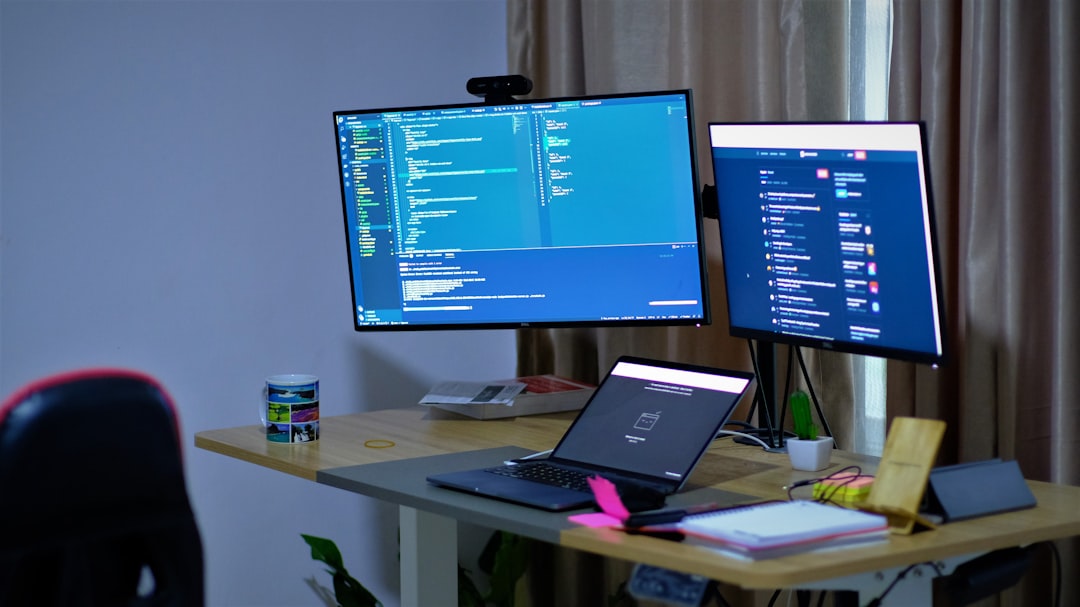
What Is Remote Work? (The Complete Beginner's Guide for 2026)

What Is Remote Work? (The Complete Beginner's Guide for 2026)
The global employment landscape has undergone a profound architectural shift. The traditional corporate model, which mandated spending forty hours a week inside a physical commercial office building, is no longer the sole architecture for professional success. Remote work has transitioned from a temporary pandemic-era emergency protocol into a permanent, highly sophisticated global talent distribution system.
For beginners looking at this landscape for the first time, the world of remote work can feel incredibly alluring yet structurally confusing. The promise of escaping tedious daily traffic, regaining control over your personal schedule, and tapping into international labor markets from the comfort of your home is a powerful motivator.
However, behind the idealized social media images of digital nomads working beside tropical beaches lies a highly disciplined, technologically demanding corporate ecosystem. To successfully enter and thrive within this environment, you must build a clear understanding of its internal mechanics, communication guidelines, and infrastructural requirements.
This foundational guide strips away the unhelpful hype and unrealistic income claims often found online. We provide an honest analysis of what remote work actually is, how global teams operate seamlessly across diverse time zones, the technical software setups you must master, and a practical, step-by-step roadmap to transition into a dependable remote career.
Quick Answer
Remote work is a professional working arrangement that allows employees, freelancers, and independent contractors to execute their operational duties entirely outside of a traditional corporate office environment. Instead of commuting to a physical headquarters, remote professionals utilize high-speed internet infrastructure, cloud computing platforms, and specialized digital collaboration tools to design, collaborate, and deliver their work output from home, co-working hubs, or any location globally.
To transition into this ecosystem successfully as a beginner, you do not need an expensive corporate pedigree. You must establish a stable local power and internet setup, learn to communicate clearly using digital platforms, and position your current skills to address the specific remote needs of international or domestic businesses.
What Is Remote Work
To understand remote work, you must first separate the core concept from its various synonyms. Terms like "telecommuting," "work from home (WFH)," "distributed work," and "virtual employment" are often used interchangeably, but they possess distinct structural meanings.
The Core Definition At its fundamental level, remote work is defined by the decoupling of professional labor from a specific geographic office space. It is a work style where your performance is judged by your actual digital output, task execution quality, and communication reliability, rather than the physical time you spend sitting in an office chair.
The Core Distinctions
- Work From Home (WFH): This is a specific location arrangement where your domestic residence serves as your official office workspace. It is often restricted by regional tax laws or company policy to a specific city or country.
- Remote Work: A broader concept that grants the professional the freedom to work from any suitable environment. This includes dedicated home offices, local co-working spaces, public libraries, or alternative temporary spaces, provided they meet strict data security and internet performance standards.
- Distributed Teams: An organizational structure where a company maintains no central physical headquarters whatsoever. Every single member of the enterprise, from the Chief Executive Officer to the entry-level support agent, operates remotely across different cities, countries, and continents.
How Remote Work Works
Operating a company with a staff scattered across different oceans requires a highly systematic approach to daily operations. Remote work functions through a combination of clear structural agreements, modern communication methodologies, and precise digital tracking systems.
The Structural Employment Models When you enter the remote market, your relationship with an employer will generally fall into one of two main categories:
- Full-Time Remote Employee: You are an official member of the company's staff. You receive a steady monthly salary, are integrated into the core corporate culture, and may receive local benefits, paid time off, and company-issued hardware. These roles are often bound by specific time-zone availability requirements.
- Independent Remote Contractor or Freelancer: You operate as an independent business entity. You partner with remote companies to deliver specific project scopes or provide block hours of technical service. You manage your own local tax compliance, supply your own computer hardware, and can easily serve multiple corporate clients concurrently.
The Communication Architecture In a physical office, communication happens naturally through casual desk drop-ins and spontaneous hallway chats. In a remote setup, communication must be designed intentionally. Distributed organizations rely on two primary operational styles:
Synchronous Communication This refers to real-time, immediate interactions. Examples include live video team sprints on Zoom or Microsoft Teams, and fast-paced text messaging discussions inside active Slack channels. This style mimics the physical office but can disrupt deep focused work if overused across divergent time zones.
Asynchronous Communication This is the foundational cornerstone of elite remote team structures. Asynchronous communication means that information is shared with the clear expectation that the recipient will read and respond on a reasonable delay, rather than instantly.
Writers, developers, and project managers document their ideas thoroughly inside platforms like Notion, Confluence, or Basecamp. Team members across the world can then consume this documentation and provide thoughtful feedback when their local workday begins, eliminating the need to coordinate complex real-time meetings across mismatched schedules.
The Performance Tracking Layer A common question beginners ask is: "How does my boss know I am actually working?" Remote companies handle accountability in two major ways.
Progressive, output-driven companies manage teams through explicit Project Management Key Performance Indicators (KPIs). Tasks are mapped out in applications like Jira, Asana, or Monday.com with clear deadlines; if your deliverables are high-quality and submitted on time, your specific daily working hours are irrelevant.
Conversely, some high-volume or entry-level fields utilize automated desktop monitoring applications like Hubstaff or Time Doctor. These tools log active keystrokes, monitor mouse movements, track open browser tabs, or capture random desktop screenshots to verify active working hours directly to management teams.
Key Features of Remote Work Setups
To transition from an aspiring remote beginner into an efficient, professional digital operator, your workspace must include specific infrastructural elements. Remote work is only as reliable as the technology supporting it.
Dedicated Hardware Stations You cannot build a sustainable remote career relying solely on a smartphone or a shared family computer. You need a dedicated laptop or desktop computer equipped with a solid processor, adequate RAM (minimum 8GB, ideally 16GB), and a functional web camera for video meetings.
Redundant Internet Infrastructure Internet connectivity is the literal lifeblood of remote work. A professional remote setup requires a primary high-speed connection (such as fiber optic or stable fixed wireless) delivering at least 15-20 Mbps download and upload speeds.
Crucially, you must also maintain a backup data source. If your primary internet provider experiences a localized fiber cut, you must be able to instantly switch to an alternative mobile data hotspot to avoid dropped client calls or missed project deadlines.
Uninterrupted Power Solutions In many regions, especially across emerging markets in Africa, power grid instability is a constant challenge. Professional remote workers do not use power outages as an excuse for missing deadlines. Your setup should include an Uninterrupted Power Supply (UPS) to keep your routers online during sudden drops, a portable solar generator, or a reliable inverter battery system to keep your core workstation powered throughout the day.
Cloud-Based Collaboration Tools Every remote role requires familiarity with standard enterprise software suites. You must feel comfortable navigating document collaboration tools like Google Workspace, version control systems like GitHub for developers, design environments like Figma, and cloud storage systems like Dropbox or OneDrive.
Cost and Payment Infrastructure
Moving into the remote workspace completely restructures your personal financial profile. It eliminates traditional office expenses while introducing new, specialized digital infrastructure investments.
The Financial Reallocation Breakdown
When you stop commuting to a physical office, you immediately stop spending money on daily public transit, car fuel, parking fees, and expensive commercial lunches. However, these savings are partially offset by increased utility bills at home. Your household electricity usage will rise, and you must budget for premium, uncapped internet subscription plans.
Furthermore, you bear the financial responsibility for upgrading and replacing your hardware assets over time to ensure your business operations remain competitive.
Managing International Payroll and Local FinTech Gateways
For remote workers based outside major Western financial hubs, receiving global salary payments can historically be a complex hurdle. Because traditional international bank wires can be expensive and slow, and platform constraints can restrict certain accounts from receiving direct commercial deposits, the remote industry has embraced agile cross-border fintech platforms.
+---------------------------------------------------------+
+----------------------------+----------------------------+
v +---------------------------------------------------------+
+----------------------------+----------------------------+
v +---------------------------------------------------------+
+---------------------------------------------------------+
When you secure an international remote role, the employer will often manage payroll through comprehensive global platform managers like Deel, Oyster HR, or Remote.com. Alternatively, they may pay you directly via standard US domestic bank transfers (ACH) or European SEPA wires.
To receive these funds seamlessly, you will set up an account with specialized fintech providers like Geegpay (by Raenest), Grey Finance, or Cleva Banking. These services instantly generate unique, compliant virtual bank account details—including routing numbers, swift codes, and account names—located directly within the US, UK, or Europe.
Your remote employer sends your monthly salary or contract invoice payments directly to these virtual account parameters. Once the funds land in your digital fintech dashboard, you can track the balance, convert the foreign currency into your local currency at highly competitive market parallel exchange rates, and instantly transfer the funds directly into your traditional local bank account for immediate use.
| Remote Tool Category | Primary Software Options | Average Beginner Cost | Core Utility for Distributed Teams |
|---|---|---|---|
| Team Messaging | Slack, Microsoft Teams, Discord | Free for basic tiers | Daily textual discussion, team alignment, fast communication |
| Project Tracking | Asana, Trello, Monday.com, Jira | Free for individual users | Monitoring project timelines, milestone assignment, transparent workflow |
| Documentation | Notion, Confluence, Google Docs | Free basic plans | Creating permanent guides, project briefs, and asynchronous notes |
| FinTech Payouts | Geegpay, Grey Finance, Cleva, Wise | Free account setup (Low FX percentage fees) | Generating virtual international bank accounts for local withdrawals |
| Video Conferencing | Zoom, Google Meet, Loom | Free for core usage | Live video meetings, sprint reviews, and async screen recordings |
Pros and Cons of Remote Work
Transitioning into a remote career path requires a balanced look at both the incredible benefits and the very real psychological and logistical challenges you will face.
Pros
- Complete Geographical Mobility: You can work from anywhere that has a stable internet connection. This allows you to live in affordable, peaceful areas while maintaining access to high-value international job opportunities.
- Substantial Time and Financial Savings: Eliminating the daily commute saves hundreds of hours every year and keeps significant money in your pocket that would otherwise be spent on transportation and office-related expenses.
- Autonomy Over Your Environment: You can design a personalized workspace optimized for your comfort and productivity, controlling everything from lighting and seating ergonomics to temperature and background noise levels.
Cons
- Increased Risk of Social Isolation: Spending your entire working week at home can lead to feelings of loneliness and professional disconnect if you don't make an intentional effort to socialize outside of work.
- The Blur of Work-Life Boundaries: When your office is located inside your living space, it can be incredibly difficult to detach from your duties. This can lead to a habit of checking messages late into the evening and cause long-term professional burnout.
- Complete Reliance on Local Infrastructure: If your home workspace experiences a sudden power surge, hardware failure, or prolonged internet blackout, your productivity stops instantly, shifting the burden of technical support entirely onto your shoulders.
Who Should Use Remote Work
Remote work is an exceptional fit for self-motivated, organized individuals who take initiative and don't require constant supervision to stay on task. It is a fantastic option for parents who want more flexible daily schedules, students managing academic requirements, software engineers who need long blocks of uninterrupted focus, and professionals in developing nations looking to scale their income by connecting with global businesses. You must be comfortable working independently and clear communication via written text must be a natural strength.
Who Should Avoid It
If you thrive on regular face-to-face social interactions, enjoy the energetic buzz of a busy physical office, and prefer clear, in-person direction from management, remote work may feel isolating and frustrating. It is also a difficult fit for individuals who struggle with time management, procrastinate without clear external structure, or live in environments with constant, unmanaged domestic distractions or unstable local power and internet setups.
Benefits of the Distributed Corporate Model
By stepping outside the traditional physical office framework, both remote professionals and forward-thinking enterprises unlock powerful competitive advantages.
Access to Global Income Arbitrage For professionals living in emerging economies, the primary advantage of remote work is the power of currency arbitrage. Earning an intermediate digital salary denominated in strong foreign currencies like USD or EUR transforms your local purchasing power, allowing you to build wealth and secure financial stability regardless of local economic fluctuations.
Uncapped Access to Global Talent pools From the employer's perspective, dropping geographic hiring restrictions changes everything. Instead of hiring the best available candidate within a 20-mile driving radius of a physical office, a distributed company can hire exceptional talent from anywhere in the world, creating high-performing, culturally diverse teams.
Risks and Limitations of Going Remote
While the remote ecosystem offers immense flexibility, you must proactively manage several real professional risks.
The Proximity Bias Phenomenon In hybrid company models—where some team members work in a physical office while others are fully remote—remote professionals can face a subtle disadvantage known as proximity bias. Managers can naturally favor the colleagues they see every day in the office, occasionally leading to remote workers being overlooked for spontaneous promotions or high-visibility projects.
Proactive Strategy: To combat this, make your work output clearly visible. Regularly share project updates, document your milestones inside team trackers, and jump on video calls with your team to stay top-of-mind.
Data Security Vetting Obligations When you handle sensitive corporate data from home, you carry a serious responsibility for cybersecurity compliance. Remote companies frequently require their staff to use secure Virtual Private Networks (VPNs), install advanced endpoint security software, activate multi-factor authentication (MFA) across all profiles, and complete regular data privacy compliance modules to protect internal client data from malicious breaches.
Real-World Operational Examples
To understand how remote work functions on a daily basis, let's explore two contrasting, realistic profiles of successful remote professionals.
Example A: The Customer Support Specialist (Synchronous/Shift-Based) Amina is an entry-level remote customer success agent based in Mombasa, working for a growing e-commerce software startup located in the UK.
- The Daily Workflow: Amina operates on a structured, fixed daily shift from 9:00 AM to 5:00 PM GMT. She logs directly into the company’s cloud helpdesk system (such as Zendesk or Freshdesk) and remains available in the team's Slack channel.
- Task Execution: Throughout her shift, she answers live chat inquiries, resolves customer billing tickets, and hops onto quick internal Zoom syncs with her manager. Her performance is measured by explicit, trackable metrics: her average customer satisfaction score, ticket resolution speed, and daily attendance consistency.
Example B: The Technical Writer (Asynchronous/Output-Based) Kofi is an intermediate freelance technical writer based in Accra, partnering with an enterprise cloud security firm headquartered in San Francisco.
- The Daily Workflow: Kofi’s role is entirely asynchronous. He has no fixed login hours and rarely attends live video meetings.
- Task Execution: His manager assigns content goals directly inside a shared Notion workspace. Kofi structures his own working hours, using AI tools to map out initial article outlines and spending his focused time writing detailed technical deployment guides. As long as his content is high-quality and submitted ahead of the monthly deadline, the company does not track when or where he executes his writing process.
Common Mistakes Beginners Make
Avoid these frequent beginner missteps to ensure a smooth transition into the remote workspace.
Failing to Separate Personal and Professional Spaces Attempting to work on your laptop while sitting on your bed or sitting directly in front of a loud family television is a recipe for low productivity. Without a clear physical boundary between your personal life and your professional workspace, your focus will suffer, and your family members may struggle to respect your working hours. Set up a dedicated, quiet corner or room specifically for your professional tasks.
Overpromising Availability and Burning Out In an effort to impress a new remote employer, beginners often make the mistake of staying available on messaging apps 24 hours a day. They answer messages late into the night and work through weekends. This fast-paced approach is unsustainable and quickly leads to professional exhaustion, which can ultimately cause a drop in the quality of your work.
Neglecting Clear Written Communication In a remote environment, your written text represents your professional identity. Sending vague, poorly formatted messages filled with casual slang can create confusion and make you look unprofessional to international teams. Take the time to write clear, well-structured updates, verify details before hitting send, and ensure your communication is easy for your team to understand.
Expert Tips for Aspiring Remote Workers
If you want to stand out in the competitive remote job market and secure high-quality roles, apply these practical strategies.
Optimize Your LinkedIn Profile for Remote Discovery Remote recruiters do not rely on traditional local classified ads; they scan digital networks to find global talent. Ensure your LinkedIn headline explicitly includes targeted, search-friendly keywords that highlight your skills and remote availability—for example: "Remote Customer Support Specialist | Technical Helpdesk Agent | Available for Global Roles."
Create a Clean, Async Video Introduction To instantly prove your communication skills and technical confidence to a remote hiring manager, skip the traditional long cover letter. Use a free tool like Loom to record a polished 2-minute video introduction. Walk through your portfolio, explain how you manage your local remote workspace, and paste the video link directly into your job application.
Build an Indestructible Infrastructure Portfolio When interviewing for an international remote position, don't wait for the employer to ask about your local working conditions. Proactively share your workspace setup in your application: "I operate from a quiet, dedicated home office equipped with a reliable 30 Mbps fiber connection, a secondary mobile data hotspot, and a solar inverter system that ensures 100% operational uptime during any power drops." This instantly removes a major hiring concern for international recruiters.
Frequently Overlooked Details
There are several subtle logistical and legal realities that professionals often discover only after moving into full-time remote roles.
The Nuances of Global Tax Compliance When you earn an income from an international company while living in your home country, you are responsible for managing your local tax liabilities. You are typically classified as an independent contractor or a self-employed business entity by local tax authorities. It is highly beneficial to keep organized financial statements, track your business expenses, and consult with a local tax professional to ensure you remain fully compliant with your country's financial regulations.
The Cost of Health Insurance and Social Safety Nets Unlike traditional local corporate jobs that bundle health insurance, retirement contributions, and local benefits into your employment package, independent remote contractors must manage these financial safety nets independently. When negotiating your remote contract rates with an international company, ensure your pricing matrix accounts for these added out-of-pocket costs.
Final Verdict
Remote work is a powerful, highly accessible professional model that offers unparalleled career flexibility, substantial financial potential, and direct access to the global economy. However, it is not a hands-off shortcut to passive wealth. It is a structured professional discipline that demands exceptional self-management, clear communication skills, and a reliable personal infrastructure setup.
By setting up a dedicated, distraction-free workspace, investing in dependable power and internet backups, mastering essential remote software tools, and focusing on delivering high-quality, measurable results, you can build a stable, highly rewarding global career right from your home office.
Frequently Asked Questions
Remote work is a professional working arrangement where an employee or contractor executes their duties entirely outside of a traditional corporate office environment.
Working from home is a specific location arrangement, while remote work is a broader concept encompassing work done from co-working spaces, cafes, or any global location.
Full-time W2 or enterprise remote employees often receive company-issued hardware, whereas international freelance contractors are universally expected to supply their own equipment.
Remote professionals leverage modern digital cross-border fintech platforms such as Geegpay, Grey Finance, Cleva Banking, and Wise to generate local virtual foreign currency accounts.
Common entry-level remote career entry points include customer support operations, data entry processing, virtual assistance, and basic content moderation.
Remote work shares similar employment security parameters as traditional work but demands higher personal accountability to maintain performance visibility.
Synchronous communication occurs in real-time via live video calls, whereas asynchronous communication relies on documented updates that team members answer on a delayed timeline.
While minor administrative tracking can be handled on a phone, professional sustainable remote work fundamentally requires a dedicated laptop or desktop setup.
Companies utilize diverse frameworks ranging from task-completion output tracking in project tools to automated desktop monitoring software like Hubstaff or Time Doctor.
No specific universal certification exists, but targeted technical certifications in cloud computing, data analysis, or digital marketing heavily improve interview success rates.
RemoGrid Team
The RemoGrid Team researches and writes guides on AI tools, remote work, and online income. Our mission is to help people around the world discover legitimate digital income opportunities.